
Results For Articles or Consultants
Seminar Presentations
When insurers receive a claim or suit from an insured or third party, they must first make sure that subsequent actions by all parties are in accordance with the conditions required by the policy and applicable laws and regulations. Violating such conditions and guidelines can lead to unintended consequences. For example, courts could refuse to uphold claims denials and possibly recognize bad faith suits, instead. Or an insurance department could find that the insurer broke a law and subsequently impose regulatory penalties. This article discusses how to avoid such outcomes by discussing important, but basic, dos and don’ts, illustrated through real-life examples.
Andrew helps policyholders prepare, present, and defend their business interruption/business income claims and has been doing so for more than 20 years. His success stems from his ability to understand and communicate the quirks and nuances of his clients’ businesses using both numbers and words. He has turned paltry claim offers and complete denials from…
I serve as the Principal of Insurance Claims and Litigation Consultants, LLC, a firm that provides expert witness services and testimony on claims and lawsuits involving insurance coverage, bad faith, underwriting, agent-broker liability, regulatory issues and good faith claims handling practices. I also provide consultation and oversight of pre-suit and litigated coverage matters that potentially…

Lezlee Liljenberg, entered the insurance business in 2004 as she started her first agency from ground zero, growing the business to over $6 million in revenue in less than 12 years. Ms. Liljenberg holds a BA in Journalism/Public Relations and a MA in Political Science/Public Administration from the University of Texas at Arlington. She is…
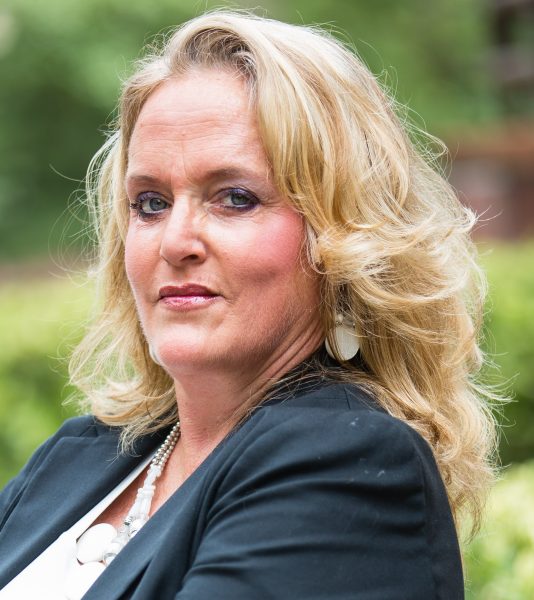
Brenda Powell Wells holds both a Bachelor of Business Administration and a Ph.D. in Risk Management and Insurance from the University of Georgia. She holds the Chartered Property and Casualty Underwriter (CPCU), Accredited Advisor of Insurance (AAI) and Construction Risk Insurance Specialist (CRIS) designations. She also holds a graduate certificate in Business Analytics from East…
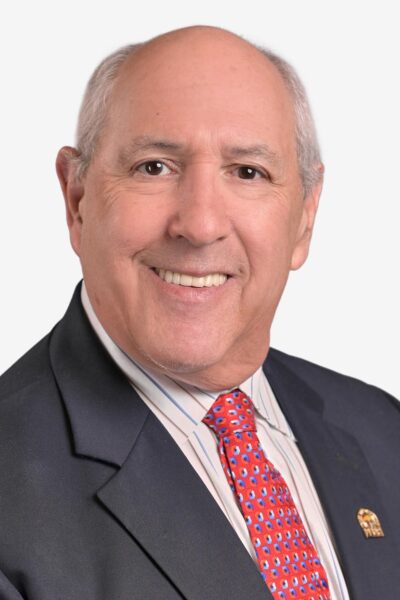
Frederick J. Fisher, J.D., CCP, is the President of Fisher Consulting Group, Inc., and was the Founder of E.L.M. Insurance Brokers, a Wholesale & MGA facility specializing in Professional Liability and Specialty Line risks. He is a Member of the Editorial Board for Agents of America; a Faculty Member of the Claims College, and Member…
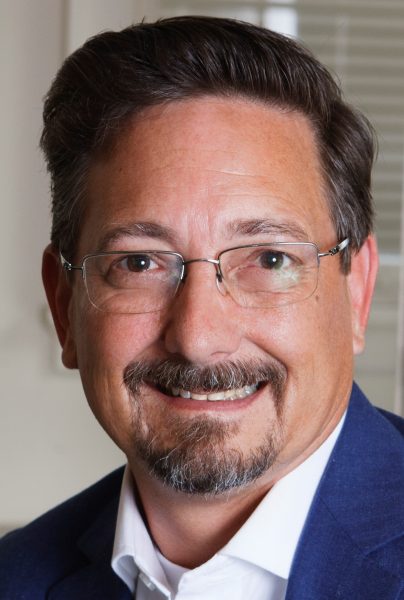
Mr. Bushnell is a Certified Public Accountant with over 20 years of experience providing Forensic Accounting services through national and global professional services firms. Know as the “numbers guy” his professional expertise covers Business Interruption Claims, Economic Damage Analysis, and Fraud Investigations. Mr. Bushnell has advised clients in mediation, arbitration and appraisal as a third…
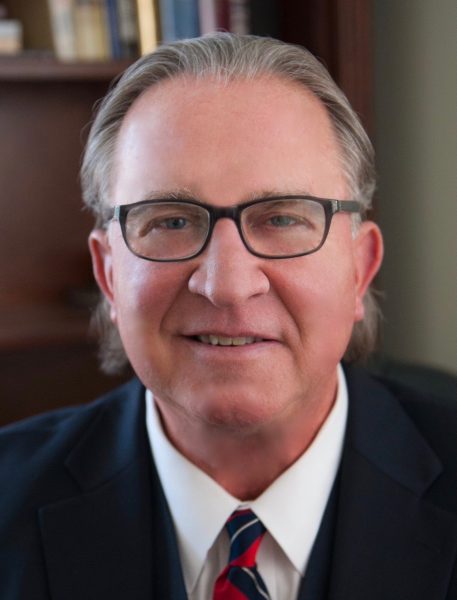
David Stegall is the Principal Consultant and Founder of Risk Consulting & Expert Services (RCES) since January 1, 2007 with over 45 years of insurance, reinsurance, bond and risk management industry experience. He is a Chartered Property & Casualty Underwriter, an Associate in Risk Management, an Associate in Reinsurance and a Registered Professional Adjuster. He…
